

Selling a vehicle privately in Queensland often feels simple at first. You agree on a price, organise payment, hand over the keys and move on. What many private sellers do not realise is that selling a registered vehicle comes with specific legal responsibilities, and one of the most important is obtaining a QLD safety certificate.
A common question sellers ask is when a safety certificate is required in Queensland. In many cases, that question only comes up after a buyer asks for it or when the registration transfer cannot proceed. By then, the sale has already slowed down, and sometimes the deal falls apart completely.
Understanding the requirement early prevents delays, fines and unnecessary stress. This article explains when a safety certificate is required, how long it remains valid, what the inspection covers, and why the responsibility always sits with the seller.
Understanding What a QLD Safety Certificate Really Is
A QLD safety certificate is official confirmation that a vehicle meets Queensland’s minimum road safety standards at the time of inspection. While many still refer to it as a roadworthy certificate, the correct term under Queensland legislation is safety certificate.
The certificate is issued by an approved inspection station after a regulated safety inspection. It does not guarantee that the vehicle is mechanically perfect or free from future issues. It confirms that specific safety-related components comply with legal standards on the day of inspection.
This distinction matters. A QLD safety certificate is not a warranty. It is not a full mechanical report. It ensures that vehicles changing ownership are safe for use on public roads.
When a Safety Certificate Is Required in QLD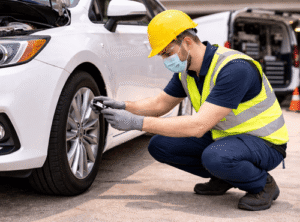
For private sellers, understanding when a safety certificate is required in Queensland is more important than most expect.
If a vehicle is registered in Queensland and is being sold privately, a safety certificate is almost always required.
Importantly, the obligation begins before the sale is completed. In fact, the requirement starts at the point you advertise the vehicle, not when the registration is transferred.
Selling a Registered Vehicle Privately
If your vehicle is currently registered in Queensland and you plan to sell it privately, you must obtain a valid QLD safety certificate.
It does not matter how old the vehicle is. It does not matter whether it has recently been serviced. It does not matter whether the buyer says they do not need it. If the vehicle is registered, the law requires the seller to provide a safety certificate.
Many sellers assume this only applies at registration transfer. That assumption is incorrect. The certificate must be in place before completing the sale of a registered vehicle.
This responsibility cannot be transferred to the buyer through a private agreement.
Advertising a Registered Vehicle for Sale
One of the most misunderstood rules relates to advertising.
In Queensland, if you advertise a registered vehicle for sale, you must already have a valid safety certificate, and the certificate number must be included in the advertisement, in line with official safety certificate requirements in Queensland.
This requirement applies to:
- Online marketplaces
- Social media listings
- Printed advertisements
- Handwritten “For Sale” signs on the vehicle
If the vehicle is registered, the requirement applies at the advertising stage.
Advertising without including the safety certificate number is considered non compliant, even if the vehicle has not yet been sold.
Transferring Registration to the Buyer
A safety certificate is required to complete the registration transfer process.
If the certificate is expired or missing, the transfer cannot proceed. Even if the buyer is aware of issues or plans to repair the vehicle themselves, the law still requires the seller to provide a valid certificate.
You must have a valid certificate before the registration can be transferred.
Private agreements, family sales and “sold as is” statements do not override this legal requirement.
Re-Registering a Vehicle in Queensland
If a vehicle’s registration has expired and you wish to re-register it in Queensland, a safety certificate is required as part of that process.
Once registration is reinstated, the same rules apply again. If you then decide to sell the vehicle privately while it is registered, the requirement remains in place before advertising and before transferring registration.
Situations Where a Safety Certificate Is Not Required
There are limited exceptions.
A safety certificate is not required if the vehicle is sold unregistered. In this case, the number plates must be removed and returned, and the buyer becomes responsible for obtaining inspection and registration.
Certain ownership transfers, such as those due to marriage, separation or deceased estates, may also be exempt. Some heavy vehicles and specialised equipment fall under different requirements.
However, these exemptions are narrow. Before assuming you do not need a safety certificate, confirm the specific rules that apply to your situation.
How Long a QLD Safety Certificate Is Valid
A QLD safety certificate for private sellers is valid for two months or 2,000 kilometres, whichever comes first.
If either limit is reached, the certificate expires and a new inspection is required.
This short validity period often surprises sellers. The best time to obtain a certificate is close to the advertising date, but not so early that it expires before the sale is completed.
Proper planning prevents repeated inspections.
What Happens During the Safety Inspection
A safety certificate inspection focuses strictly on safety components.
Inspectors check:
- Braking systems
- Steering and suspension
- Tyres and wheels
- Lights and indicators
- Windscreens and mirrors
- Seatbelts
- Structural integrity
They do not conduct engine diagnostics or assess cosmetic condition.
A vehicle can pass inspection and still require general maintenance. The inspection confirms compliance with minimum legal safety standards at the time of inspection.
Common Reasons Vehicles Fail
Vehicles often fail inspections due to issues owners overlook.
Common causes include:
- Worn tyres below minimum tread depth
- Non-functioning lights
- Damaged seatbelts
- Oil leaks affecting safety components
- Cracked windscreens in the driver’s line of sight
Addressing these issues before inspection reduces the risk of failure and helps avoid delays in the sale process.
Who Can Issue a QLD Safety Certificate
Only approved inspection stations can issue a valid QLD safety certificate.
Mobile inspectors are permitted if properly authorised. However, certificates from unlicensed mechanics or unapproved providers are not valid.
If registration transfer is rejected due to an invalid certificate, the seller remains responsible.
Costs and Seller Responsibility
The seller is financially responsible for obtaining the safety certificate when the vehicle is registered.
Even if the buyer agrees to purchase the vehicle pending inspection, the obligation remains with the seller.
If the vehicle fails, repair costs and re-inspection fees are also the seller’s responsibility.
Understanding the requirement early helps sellers factor inspection and repair costs into their pricing strategy.
Selling to an Interstate Buyer
Selling to a buyer outside Queensland does not remove the requirement.
If the vehicle is registered in Queensland at the time of sale, a safety certificate is still required.
The requirement is based on the vehicle’s registration status, not the buyer’s location.
Penalties for Non-Compliance
Queensland actively enforces safety certificate requirements.
Sellers may face fines for:
- Selling a registered vehicle without a safety certificate
- Advertising without including the certificate number
- Providing invalid or expired certificate details
To avoid penalties, ensure the certificate is in place before advertising and before selling a registered vehicle.
Why the Responsibility Sits With the Seller
The law places responsibility on the seller to ensure vehicles meet minimum safety standards before changing ownership.
This protects buyers and supports road safety across Queensland.
Even if both parties agree privately to skip the process, the legal requirement remains unchanged.
Planning the Sale Properly
Private sellers who understand the requirements typically experience smoother transactions.
Arranging inspection close to the advertising date, preparing the vehicle properly and listing with a valid certificate number builds buyer confidence.
Poor timing results in expired certificates, repeat inspections and frustrated buyers.
Advice for Private Sellers
If you are planning to sell a registered vehicle privately in Queensland, a safety certificate is required before advertising and before completing the sale.
The certificate is not optional paperwork. It is a legal requirement that applies early in the selling process and expires quickly.
Selling privately does not need to be complicated, but compliance is essential. A valid safety certificate is central to completing the process properly, legally and confidently.
Roadworthy.me provides reliable mobile safety certificate inspections across Queensland.
Contact us today to book your inspection and avoid delays in your sale.