
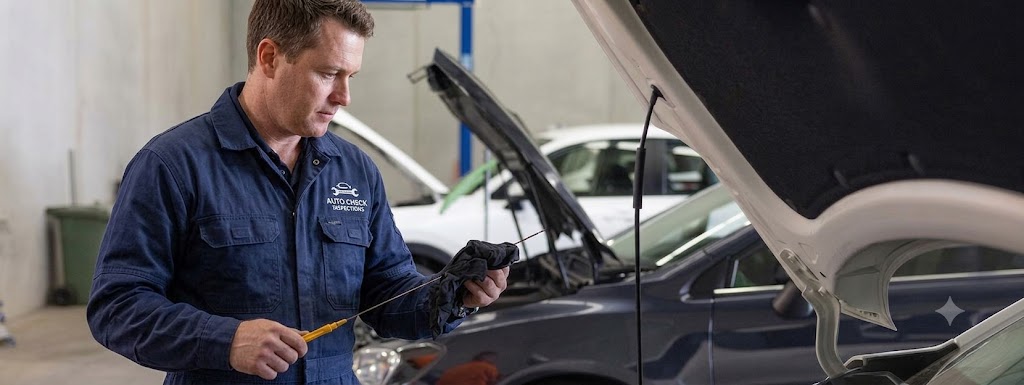
If you are selling or buying a car in Queensland, most roadworthy failures are not dramatic mechanical disasters. They are basic safety items that inspectors are legally required to fail, even when the car feels perfectly fine to drive.
That is what catches people out.
A Queensland roadworthy, officially called a Safety Certificate, is not about how well the car runs. According to the Queensland Government, Safety Certificates are issued by Approved Inspection Stations (AIS), which inspect vehicles against set minimum safety standards and must only pass vehicles that meet those criteria. There is no discretion and no “she’ll be right.”
Most Roadworthy Failures in QLD Are Simple, But They Are Non-Negotiable
Every week, vehicles fail for the same handful of reasons. They are predictable, easy to miss, and often cheap to fix if you know about them early.
The problem is that most sellers only find out after the inspection.
The Items That Fail Vehicles Every Week in Queensland
Tyres That Look Fine Until They Are Measured
Tyres must meet the legal tread depth across the full contact surface. Uneven wear, inner-edge bald spots, sidewall cracks, bulges, or mismatched sizes on the same axle will fail a roadworthy immediately.
A tyre can feel safe and still be illegal.
Brake Issues You Cannot Feel While Driving
Brake pads worn too thin, brake fluid leaks, damaged brake hoses, or uneven braking across an axle are common failures. The vehicle might stop well enough for daily driving, but inspections are about condition, not feel.
Lights, Indicators and Warning Lights
Any non-functioning light is an instant fail. That includes brake lights, indicators, number plate lights, headlights on both beams, and reverse lights where fitted.
Dashboard warning lights are also critical. An illuminated ABS or airbag light will fail the inspection, even if the car drives normally.
Windscreen, Wipers and Washer Function
Cracks in the driver’s primary vision area, damaged wiper blades, or washer systems that do not spray correctly are frequent failure points. These are simple items, but inspectors cannot pass them.
Suspension and Steering Wear
Excessive play in ball joints, worn bushes, leaking shocks, or steering components with movement beyond limits will fail. These issues are often not obvious until the vehicle is checked on level ground.
Oil Leaks and Fluid Seepage
Active leaks from the engine, gearbox, power steering, or brakes are a fail. Light staining may be acceptable, but anything that is dripping or clearly wet is not.
Seatbelts and Seats
Seatbelts must retract properly, lock correctly, and show no fraying. Seats must be secure and not loose on their mounts. These are safety-critical items and are checked closely.
What Does Not Usually Fail a QLD Roadworthy
This is where a lot of anxiety comes from.
Cosmetic damage such as faded paint, dents, scratches, worn interiors, or old stereo systems does not usually fail a roadworthy. Engine performance issues, rough idling, or lack of power are also not roadworthy items unless they relate directly to safety.
Modifications are often misunderstood. Not all modifications fail. The problem is unapproved or unsafe modifications, not modifications themselves.
Why Cars Fail When They Feel Fine to Drive
Roadworthy inspections are not subjective. Inspectors are bound by Queensland regulations and inspection criteria. If a component is below standard, it must be failed, even if the owner has never noticed an issue.
This is why vehicles that are driven daily can still fail unexpectedly.
How to Avoid a Roadworthy Failure Without Guessing
The safest approach is preparation, not assumption.
Check tyres properly, not just visually. Test every light and indicator. Look under the car for leaks. Make sure no warning lights stay on after start-up. Replace wiper blades if they smear or chatter. These steps alone prevent a large percentage of failures.
Avoid cheap temporary fixes. Inspectors see them every day and they often create more problems than they solve.
For many sellers, the lowest-risk option is to have the inspection done early. That way, any issues can be addressed without the pressure of a pending sale or registration deadline.
What Happens If Your Vehicle Does Fail
A failed roadworthy does not mean starting again. It simply means certain items need to be repaired before a certificate can be issued.
With a clear report, repairs can be targeted and controlled. This is why a transparent process matters.
Why Mobile Roadworthy Inspections Reduce Risk
A mobile inspection removes the stress of workshops, transport logistics, and time off work. It also allows issues to be explained clearly on the spot, rather than through a rushed phone call later.
For sellers and buyers on the Gold Coast and near the NSW border, this approach often means faster outcomes and fewer surprises.
Roadworthy.me operates across the Gold Coast and Tweed Heads region, providing mobile Safety Certificate inspections with a clear process, flat pricing, and free re-inspection within the allowed period if a vehicle does not pass the first time.
Frequently Asked Questions
When do I actually need a roadworthy in QLD?
A Safety Certificate is required when selling a registered vehicle or when re-registering an unregistered vehicle in Queensland.
Is a safety certificate the same as a roadworthy?
Yes. Safety Certificate is the legal term in Queensland. Roadworthy is the commonly used name.
What is the most common reason cars fail in QLD?
Tyres, lights, warning lights, and minor mechanical wear items are the most frequent causes.
Can I fix things myself before the inspection?
You can, but guessing often leads to missed items. A proper inspection identifies exactly what matters.
Does failing mean I have to pay again?
That depends on the provider. Some services include a free re-inspection within a set timeframe once repairs are completed.
Are mobile roadworthy inspections legal in Queensland?
Yes, as long as the inspector is licensed and authorised. Mobile inspections are fully recognised.
How quickly can I get a roadworthy if I am selling?
Same-day inspections are often available, depending on location and demand. Booking early reduces pressure and risk.
If you are preparing to sell or buy and want clarity before committing, the safest next step is a proper inspection done early, not at the last minute.